Buying Property on Leased Land or Reserve Land? What You Need to Know
A different type of ownership requires a different approach to financing.
Buying a home is a significant investment, and most buyers are familiar with the traditional freehold model where you purchase both the home and the land it sits on.
But what happens when you purchase a property where you own the home, but not the land?
Leased land and reserve land properties can offer unique opportunities, sometimes at a more affordable price point than comparable freehold properties. However, the financing process can be more complex, and not every lender will treat these properties the same way.
If you're considering purchasing a property on leased or reserve land, understanding the ownership structure and financing requirements before you make an offer is important.
1. It's Leasehold, Not Freehold
With a traditional freehold property, the purchaser generally owns both the home and the land.
With a leasehold property, the land is owned by another party, such as a government entity, reserve, or other landowner. The purchaser generally owns the home and improvements but leases the land under a long-term agreement.
These leases have a defined term and, importantly, an expiration date.
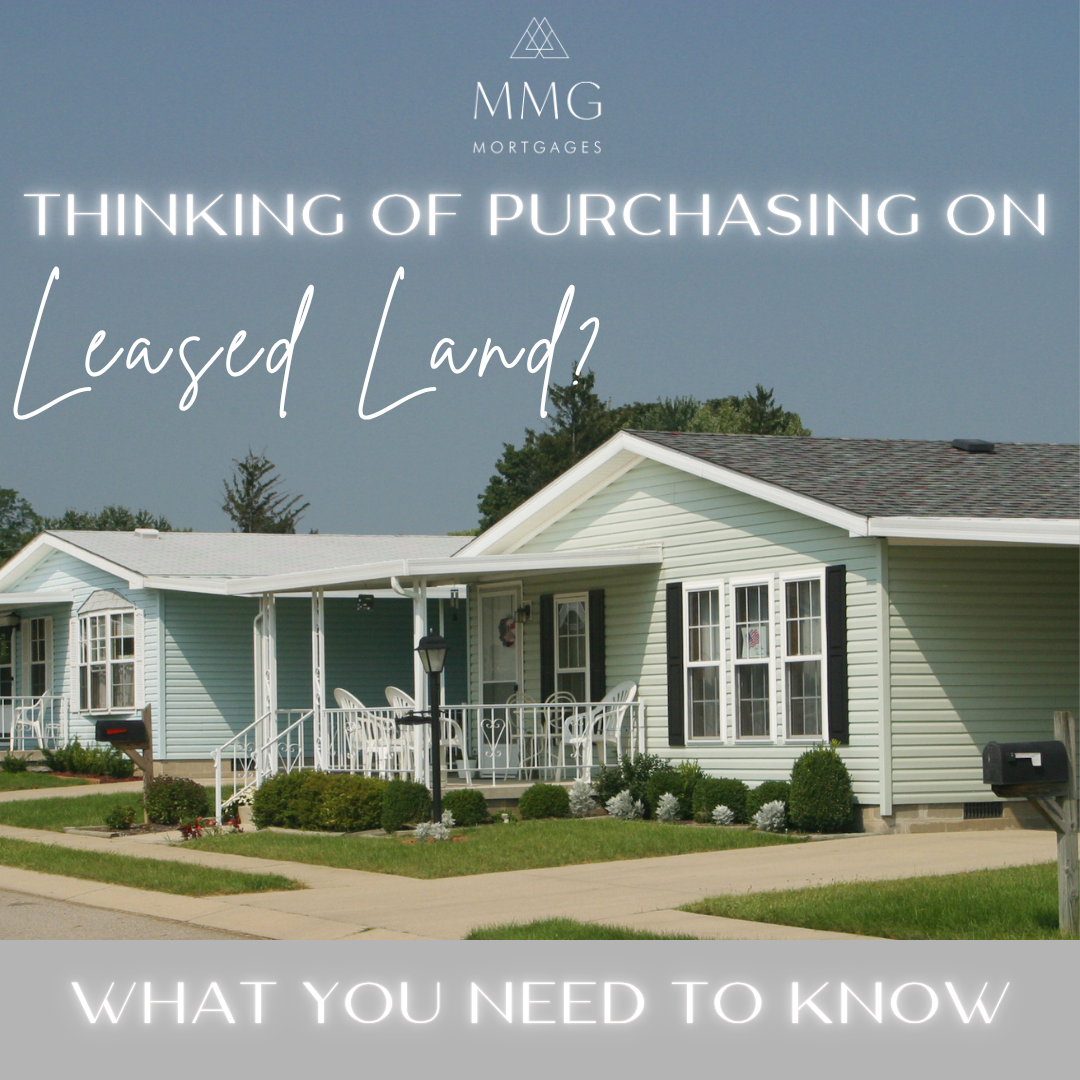
The lease structure can have a significant impact on financing, resale, and the overall value of the property. Understanding exactly what you are purchasing is one of the first steps in determining whether the property is right for you.
2. Not Every Lender Will Finance These Properties
One of the biggest differences between leasehold and conventional freehold properties is the number of lenders willing to provide financing.
While many lenders will finance certain leased-land properties, others may have restrictions or may not lend on particular reserve-land projects.
Depending on the property and lender, you may encounter:
Different down payment requirements
Specific amortization requirements
Additional underwriting requirements
Restrictions based on the type or location of the leasehold property
Fewer available lender options
Some leased-land communities in Alberta were specifically developed as large-scale residential communities with formal leasehold structures. These can sometimes be more straightforward to finance than other leasehold or reserve-land transactions.
Areas such as Banff, Kananaskis and surrounding communities can have unique leasehold arrangements, but lender options may still be more limited than they would be for a conventional freehold property.
The important takeaway: Don't assume that because a property is leasehold, it cannot be financed. Instead, have the property reviewed by a mortgage professional before making an offer.
3. Read the Lease Carefully
The lease is one of the most important documents in the transaction.
There may be both a head lease and a sublease, and both should be reviewed carefully before you commit to the purchase.
Head Lease: The primary lease agreement between the landowner and the original lessee. It sets out the overall terms and conditions for using the land, including the lease term, rent, renewal rights, and responsibilities of the parties.
Sublease: An agreement where the rights to occupy and use the property are granted by the original lessee to another party. In some leased-land purchases, the buyer may be purchasing the home and taking over or entering into a sublease rather than owning the underlying land.
Some of the items that deserve particular attention include:
Remaining lease term
Renewal provisions
Assignment and resale provisions
Non-disturbance agreements
Default provisions
Mortgagee protection language
Ground rent obligations, if applicable
These provisions can affect not only your mortgage but also your ability to sell the property in the future.
Because leasehold transactions can involve more complex legal and financing considerations, we strongly recommend working with a solicitor, real estate professional, and mortgage professional who have experience with leased or reserve-land properties.
At MMG Mortgages, our brokers have experience with these types of transactions and can help you understand the financing considerations before you move forward.
4. Appraisals Can Be Different
The appraisal process can also look different for a leasehold property.
When determining the property's value, an appraiser may need to compare it with other leasehold properties rather than traditional freehold homes.
Comparable properties may include:
Other leasehold properties
Properties within the same leasehold community
Similar leasehold communities
In some cases, comparable reserve-land developments
Because the available comparable properties may be more limited, the valuation process can be more involved.
The resulting appraisal can also affect how much a lender is willing to finance.
5. Think About the Future Resale
Before purchasing a leasehold property, it's important to consider not only "Can I afford this home today?", but also "How easy will it be to sell in the future?"
Some buyers may be unfamiliar with leasehold ownership or the concept of an expiring land lease. Others may assume reserve-land properties are difficult to finance, which can narrow the potential buyer pool.
As a result, leasehold properties may have different marketability considerations than traditional fee-simple properties.
However, there can also be an advantage.
Because you are not purchasing the underlying land in the same way you would with a freehold property, leasehold homes can sometimes be available at a discount compared with similar freehold properties.
For the right buyer, that lower purchase price can be an attractive benefit.
6. Mortgage Insurance Can Be an Important Piece of the Puzzle
If you are purchasing with less than 20% down, mortgage default insurance will be required, subject to the applicable rules.
In these situations, it isn't enough for the lender to be comfortable with the property. The applicable mortgage insurer must also accept the lease structure and transaction.
Depending on the property and program, the lender and mortgage insurer may review items such as:
The head lease
The sublease
Legal opinions
Security arrangements
The property's marketability
Other details related to the lease structure
This is another reason why it is important to have the property reviewed before making an offer, particularly if you are planning to put less than 20% down.
So, Can You Get a Mortgage on Leased or Reserve Land?
Yes, these properties can be financeable.
However, they should be approached as a specialized leasehold transaction rather than a standard freehold purchase.
The biggest considerations are:
Lender appetite
Not every lender offers financing for every type of leased or reserve-land property.
Mortgage insurer acceptance
If mortgage default insurance is required, the insurer must also accept the lease structure.
The lease documents
The terms of the head lease and sublease can have a significant impact on financing and future resale.
Property valuation
Appraisals may require specialized comparable properties and can affect the amount a lender is willing to finance.
Future marketability
The lease term, ownership structure, and buyer pool should all be considered before purchasing.
Considering a Leased or Reserve-Land Property?
A lower purchase price can make leased land an attractive option, but understanding how the property can be financed is key before you make an offer.
At MMG Mortgages, we’ll help you assess the financing considerations, explore available lender options, and connect you with the right professionals for the property you’re considering.
Talk to one of our MMG team members before you make an offer and move forward with confidence.
Leasehold and reserve-land financing is subject to lender, mortgage insurer, legal, and property-specific requirements. Lender guidelines and availability can change, and not every property or borrower will qualify for financing.